
Are 45-minute compression boot sessions better than active recovery after intense training?
After a tough workout, athletes want to feel ready again quickly. This is where the debate on compression boots vs active recovery comes in. It's important for athletes in the United States.

In this article, "better" means less muscle soreness and quicker recovery. It's about feeling good again without using too much energy. This is important when you're already tired and dealing with delayed onset muscle soreness (DOMS).
Air compression boots are now used by many, not just in sports. They're used by fitness fans, busy professionals, and travelers. They offer passive recovery, where you relax while the boots work on your muscles.
A 45 minute session is often the best because it fits into busy schedules. It helps when you're stiff and don't feel like moving, even though you know you should.
But remember, these tools are just support, not a quick fix. They help with blood flow and lymphatic system, not force change. If you have health concerns, talk to a doctor before using them.
Next, we'll explore why Next Percent calls its system a zero-impact option. It's built for a 45-minute deep circulation flush when your joints are tired. First, let's understand what happens in your body after intense training. And why compression boots vs active recovery can feel so different.
Compression boots vs active recovery: what actually changes after intense training
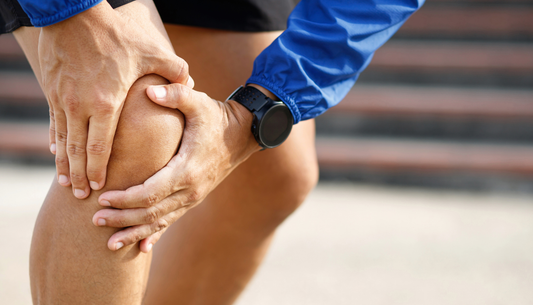
Recovery after hard training can feel like another workout. The debate is about what does the "pumping" work: your body or an external tool. Both methods aim to help your body recover, but they feel different on tired legs.

Why legs feel heavy after hard sessions: circulation, gravity, and fluid balance
Heavy legs are often due to simple physics. Blood and fluid in the lower legs must go up against gravity. This can feel slow after intense training.
Fluid balance is also key. Your lymphatic system manages fluid and immune function without a central pump. It relies on breathing, movement, and muscle contractions for optimal drainage.
Passive recovery vs active recovery: joint load, muscle pump action, and perceived fatigue
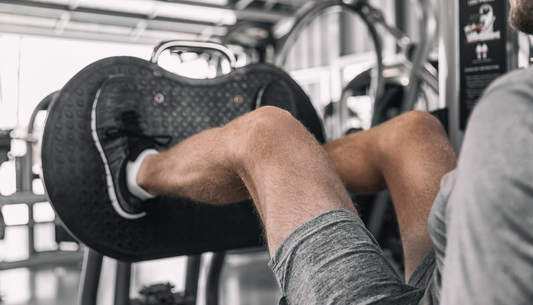
In the debate between passive and active recovery, the muscle pump is key. Walking, easy cycling, and mobility work help blood and lymph move up. This aids circulation but asks joints and soft tissues to work when they're tender.
Passive options, like compression boots, offer a break. You stay seated or reclined while pressure cycles up the leg. This can feel less demanding during recovery.
It's important to have realistic expectations. Many hope to flush out lactic acid, but this clears quickly. The real goal is to manage stiffness and soreness between sessions.
Central nervous system fatigue and why “easy movement” can feel like work
Not all fatigue is in the legs. Central nervous system fatigue can make simple tasks hard, even at a slow pace. On these days, active recovery may be helpful but feels like a demand.
Passive tools, like pneumatic compression, can be helpful. They support circulation without adding more effort. Studies often look at how recovery feels, not just the medical results.
- Active recovery: uses your muscle pump, adds some joint load, and can boost circulation when you’re willing to move.
- Passive recovery: reduces effort, may support deep tissue circulation, and can be easier to tolerate when your system feels spent.
Results come from steady movement, hydration, sleep, and smart training gaps. Boots can be an extra tool, while active recovery is simple and portable.
Air compression boots for post-workout recovery,45 minute compression boot
After a tough workout, athletes often seek relief without extra strain. Air compression boots offer a solution. They have inflatable sleeves that wrap around your feet and legs. These then inflate and deflate in a timed sequence.

This method is designed to ease discomfort and promote movement. It's all about creating a steady pressure that supports your lower body.
What a 45-minute compression boot session typically includes and why that duration is common
Starting a 45-minute session, you'll sit back and relax. The boots seal with zippers or Velcro. A controller then starts the inflation cycles.
The pressure begins softly, growing stronger as you settle. This is why a 45-minute session is popular. It allows for enough cycles to feel a "flush" without feeling rushed.
How sequential pneumatic compression mimics the body’s natural muscle pump
A sequential air compression massager works like your muscle pump. It starts at the feet and moves up to the calves and thighs. This pattern helps move blood like walking does.
Deep tissue circulation and optimal lymphatic drainage: how wave-like pressure supports upward flow
Deep tissue circulation benefits from rhythmic pressure. The wave-like pattern helps fluid move upward. This is key for lymphatic drainage when you're not moving.
What users tend to notice: legs feeling lighter, warmer, and more mobile after a session
During a session, you might feel warmth and lightness in your legs. Standing up after shows the real difference. You'll notice less stiffness and easier movement.
How Next Percent Air Compression Recovery Boots are built for zero-impact recovery
After a tough workout, even walking can feel hard. Next Percent focuses on zero joint impact. This lets you relax while seated or reclined, with pressure that moves up from your feet.
This is about untethered recovery. It's a calm, passive reset when your legs are heavy and you lack motivation.
Origin story: built for access, not markups
Next Percent started in the Break 3 Running Club. Runners and engineers talked about what recovery gear should do versus what it costs. They created boots that feel pro-grade but don't cost too much.
The lineup includes elite and performance recovery boots. They focus on practical build and daily use.
Overlapping chambers that smooth the ride
The 6-chamber overlap air compression boots aim to reduce pressure gaps. They offer a smoother transition as the pressure moves up your leg. This makes a 45-minute session feel easier.
Consistent coverage from foot to upper leg
Next Percent uses 6-zone precision mapping for consistent fit and timing. They support fluid wave-like compression. This pattern helps with circulation and lymphatic movement.
The goal is to provide continuous coverage, not patchy areas.
Stronger options, plus mode variety for comfort
For those who want more intensity, these boots offer up to 240mmHg max pressure. There are six advanced massage modes, including peristaltic wave modes (such as Mode 4 for 2-chamber milking action and Mode 5 for deeper 3-chamber wave compression). This lets you adjust the feel to your training load.
They are also battery-powered, making recovery easy to fit into your routine. A quick zip-up and timer, and you're ready for a post-workout flush without needing an outlet.
- Zero joint impact recovery when running or lifting already taxed your legs
- Untethered recovery that fits into a 45-minute window after training
- Battery-powered portability for home, travel, or the gym bag
When active recovery wins: low-load movement, mobility work, and BFR options
Compression boots are great for resting, but they can't replace movement always. Gentle muscle contractions act like a pump. Add steady breathing, and you can help move fluid back toward the heart.
Active recovery often wins when you feel stiff from travel, desk time, or long car rides. A short walk, easy spin, or light swim can reset your stride and coordination. These low-load workouts also support tissue tolerance through small, controlled doses of load.
Mobility work matters most when range of motion is the main issue. Think ankles, hips, and thoracic spine after hard running or heavy lifting blocks. If you move slowly and stay relaxed, you can keep the joints calm while getting feedback from the body.
- Use movement when you need rhythm, range of motion, and a gentle return to normal patterns.
- Use passive recovery when joints feel cranky, or you want rest without extra steps.
- Mix both during the ideal recovery window, based on soreness, sleep, and how your legs respond.
There’s a tradeoff: active recovery can tax fatigued joints after a tough week. That’s why some athletes rotate in options that aim for zero joint impact on the hardest days. You get a recovery-focused session without extra loading.
For athletes who want a structured bridge between rest and training, blood flow restriction training can fit well. It uses lighter weights or bodyweight with controlled restriction, so you can train without heavy loads. BFR bands for low load active recovery, including Next Percent BFR bands, can make those sessions more repeatable, but it's work and should be planned like it.
Pair any approach with hydration and calm, steady breathing. A few minutes of easy movement after training can work like a reset. This is helpful when you're trying to stay consistent without forcing intensity.
Choosing your ideal post-workout recovery setup for DOMS relief and total body performance
A good recovery setup mixes rest, hydration, and light movement with the right tools. This blend supports your body's performance without relying on one thing. It also helps manage muscle soreness, making it easier to recover week after week.
After intense workouts, passive compression boots can be a simple solution. Using Next Percent Air Compression Recovery Boots for 45 minutes offers relief from muscle soreness without harming your joints. Many find their legs feel lighter, warmer, and more flexible afterward, thanks to the comfort and perceived recovery.
For stiffness, try a short walk, gentle stretching, or yoga in the right time. Boots help with fluid movement and ease, but they don't fix stride mechanics or restore range of motion. A common routine is to use boots, then hydrate, and finish with a 10-minute walk to keep blood flowing.
This method works for everyday life, not just for racing. Desk jobs, standing shifts, and travel can make legs feel tired and swollen. Next Percent boots can be a key tool for supporting circulation and comfort, giving you relief without extra strain.
FAQ
Are 45-minute compression boot sessions better than active recovery after intense training?
It depends on what you mean by “better.” If you want to feel ready for your next workout with less soreness, a 45 minute compression boot session might be good. Active recovery is great for moving better and restoring range of motion, but it takes effort and can be hard on your joints.
What does “better recovery” mean in compression boots vs active recovery?
“Better” means feeling ready for your next workout faster, with less soreness, and lighter legs. Most studies look at how you feel between workouts, not medical results. So, it's about how you feel, not just numbers.
Why do my legs feel heavy after hard runs, rides, or lifting?
Your legs have to push blood up against gravity after hard workouts. This can make them feel heavy and stiff. The lymphatic system helps with fluid balance, but it needs movement to work well.
How does passive recovery vs active recovery change what my body is doing?
A: Active recovery like easy walking uses muscle contractions to help circulation. But it takes effort and can be hard on your joints. Passive recovery with air compression boots keeps you relaxed while supporting circulation.
Can central nervous system fatigue make active recovery feel harder than it should?
Yes. When you're really tired, even easy movements can feel like too much. That's why pneumatic compression for DOMS relief is popular—it supports your legs without needing more effort from you.
What are air compression boots for post-workout recovery?
They're inflatable sleeves for your feet and legs that use a pump to create pressure. It's like a sequential air compression massager that helps with circulation and lymph movement.
What happens during a 45-minute compression boot session?
You sit or recline while the boots inflate and deflate in a pattern. It's a chance to relax and read or rest. Many people say their legs feel lighter and more mobile afterward.
Why is 45 minutes a common duration for compression boots?
Sessions last 20–45 minutes, depending on the device and your goals. A 45-minute compression boot session is good for athletes who want a relaxed recovery time.
How does sequential pneumatic compression work from the feet upward?
The pressure starts at your feet and moves up in waves. It's designed to mimic your body's natural muscle pump, helping blood and lymph move upward.
Do compression boots “flush out lactic acid”?
People say boots “flush out lactic acid”, but it's more about support. Boots help with natural circulation and fluid movement, not force change or treat injuries.
Can wave-like compression support deep tissue circulation and optimal lymphatic drainage?
It might help support those natural processes. External fluid wave-like compression can provide gentle stimulation for deep tissue circulation and optimal lymphatic drainage.
How do Next Percent Elite Recovery Boots fit into passive recovery?
A: Next Percent offers a 45-minute deep circulation flush for athletes with tired joints. It's designed for easy, untethered recovery that doesn't add extra stress.
What’s the origin story behind Next Percent?
Next Percent started with the Break 3 Running Club by runners and engineers frustrated with expensive recovery gear. They aimed to make advanced recovery more affordable for real training schedules.
What are 6 chamber overlap air compression boots, and why do they matter?
A: 6-chamber overlap air compression boots have chambers that overlap to reduce pressure gaps. This makes the compression feel smoother and more consistent.
What does 6-zone precision mapping mean in recovery boots?
It means the boot targets the leg with defined zones for consistent contact and pressure. Next Percent boots use 6-zone precision mapping with wave-like patterns for a more even feel.
Is 240mmHg pressure too high for compression boots?
Not everyone needs maximum output. Next Percent Elite Recovery Boots feature an upgraded 240mmHg maximum pressure setting for advanced athletes needing heavy-duty relief, but also offer gentle lower settings for everyday DOMS.
What are the 6 advanced massage modes, including peristaltic wave mode?
There are 6 massage modes to choose from, including peristaltic wave mode. This mode creates a smooth, rolling sequence up the leg. Different modes can match different recovery needs.
Are Next Percent air compression boots portable for travel and busy schedules?
Yes, they're designed to be portable. Next Percent focuses on battery-powered portability for easy use at home, work, or while traveling.
When is active recovery better than passive compression boots?
Active recovery is better when you need to move better and restore range of motion. It's also good when you're stiff from sitting too long. If you're struggling with mobility, active recovery can help more than passive compression.
How do BFR bands fit into low-load active recovery?
A: Blood flow restriction training uses BFR bands for low-load active recovery. It lets you train with lighter weights for a strong effect. Next Percent BFR bands offer a structured option for days when lifting feels too hard.
Can compression boots help with delayed onset muscle soreness (DOMS)?
Many athletes use pneumatic compression for DOMS relief because it may reduce soreness and make legs feel fresher. It's a comfort tool that supports natural circulation, not a medical fix.
What’s a simple routine for combining boots with active recovery?
A good routine is boots first, then hydrate after, and then a short walk. On stiff days, add gentle mobility and deep breathing to support natural circulation without extra effort.
Who should talk to a healthcare professional before using compression devices?
Anyone with medical conditions, injuries, or circulation concerns should talk to a healthcare professional before using compression devices. Recovery tools are meant to support natural processes, not override medical advice.
Are compression boots only for athletes?
No. While athletes use them, compression boots are also for fitness enthusiasts, busy professionals, travelers, and those who stand or sit a lot. They can help with heavy legs from life and training without adding extra effort.